Business Waste Removal in Crystal Palace
Business waste removal in Crystal Palace should be straightforward, careful and suited to the way your organisation works. We handle commercial waste streams that need prompt collection and responsible disposal, helping offices, shops, hospitality premises and other local workplaces keep on top of day-to-day waste without interrupting operations. The aim is simple: clear the material that has built up, separate what can be recycled, and leave the remaining task easier to manage.
Our business waste removal service covers regular clearances and one-off collections for mixed commercial rubbish, packaging, office contents, redundant fixtures and other non-hazardous materials. Where items are suitable for reuse or recycling, they are handled with that in mind; where disposal is the right route, the work is carried out in line with the nature of the load. If you want to make a start, you can request a quotation once you know roughly what needs removing.
Different premises create different kinds of waste, so it helps to match the collection to the material rather than forcing everything into one approach. We can support businesses that need help after an office refresh, a stockroom tidy-up, a small refit, or simply a clear-out of accumulated items that are no longer needed on site. For straightforward planning, take a moment to outline the waste type, access and timing, then ask for a quote when you are ready.
Commercial collections for offices, shops and workplaces
Office and retail waste often builds up in layers: cardboard from deliveries, broken display items, unwanted furniture, out-of-date paperwork, packaging film and general mixed rubbish. A well-planned collection keeps those streams from becoming unmanageable and helps the premises stay usable while the work is carried out. We can remove bulky items as well as smaller bags and boxed materials, so the service suits both a light tidy and a more involved clear-out.
For many businesses, the main decision is whether the load is best treated as a single mixed collection or separated into clearer groups before removal. In practical terms, that choice affects handling time, sorting, and what can be diverted for recycling. If you have a stockroom, back office or customer area that needs attention, it is sensible to decide in advance which items are staying and which can go so the collection stays efficient and focused. Pricing and quotes can then be discussed against the actual load rather than an estimate that is too vague to be useful.
What we remove from business premises
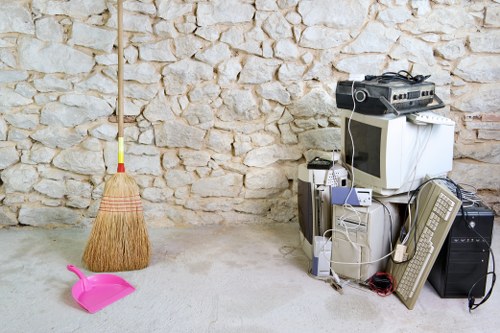
Commercial waste is often more varied than standard household rubbish, especially when a business is changing layout or reducing unused equipment. We remove commonly encountered items such as office furniture, broken shelving, excess packaging, unwanted fixtures, and general non-hazardous waste that has become awkward to store. The emphasis is on clearing items that are no longer needed, while keeping the process organised so that reusable or recyclable materials are not treated in the same way as general refuse.
In some cases, the work also involves items that have reached the end of their useful life but still need careful handling during removal. That may include desks, chairs, filing units, counters, small electrical appliances and assorted contents from storage areas. Where a business is not sure how much material has accumulated, it helps to prepare a basic list by room or area. A simple outline is usually enough to help us shape the collection and keep the removal efficient.
Business waste removal is most effective when the collection is matched to the premises rather than treated as a generic clear-up. If you are arranging a one-off job, a phased visit, or a repeat arrangement for predictable waste, the important point is to keep the process clear, legal and manageable. That way, the job can be approached in a way that respects both the material and the working space.
Sorting, recycling and responsible disposal
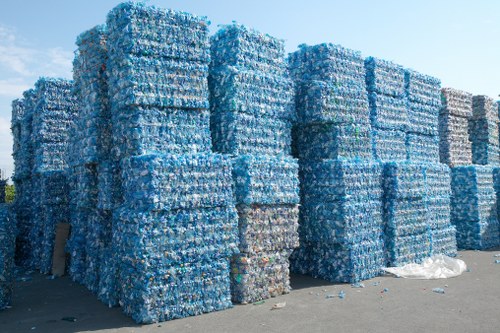
Commercial collections are often judged not only by what disappears, but by how the waste is handled afterwards. Separation at source can make a real difference where cardboard, metal, office paper, fixtures and mixed residual waste are involved. We work with the principle that recyclable material should be identified where practical, while anything that cannot be reused or recycled is disposed of through the appropriate route for its category.
That approach is useful for businesses that want their clear-out to be orderly rather than simply quick. It can reduce avoidable mixing of materials, limit unnecessary handling, and make it easier to deal with loads that contain a mixture of packaging, furniture and general waste. Where the collection includes items with special handling requirements, these should be identified from the start so the right method can be planned. If you are unsure, ask for guidance before the removal date.
For businesses that like to keep records tidy, it helps to know roughly what kinds of materials have been taken away and whether there is anything that needs separate treatment next time. This is especially useful after fit-outs, relocations or stock changes, when the type of waste can shift from week to week. A clear process now can prevent a larger sorting problem later.
Planning a collection around your working day

Commercial waste removal often needs to fit around customers, staff, deliveries and building access. A collection is easier when the items are ready in a defined place and the route out of the premises is kept clear. That does not mean every job has to be perfectly prepared, but a little organisation helps the removal move smoothly and reduces avoidable disruption within the workplace.
Useful details to have ready include what needs removing, where it is located, and whether there are any access limits such as narrow corridors, upper floors or shared entrances. If you are collecting quotes from several suppliers, keep the description consistent so you can compare like with like. Two practical steps are often enough:
- group the items by room, storage area or type;
- note anything unusually heavy, awkward or delicate before the collection is booked.
Once those basics are clear, the remaining conversation is usually about timing and scope rather than guesswork. If your workplace can only spare a short window, say so early; if the waste is spread across several spaces, mention that too. A concise description helps keep the service aligned with the real job rather than an assumed one.
Office, furniture and appliance clearances
Many business clearances involve items that are bulky rather than dirty: desks, chairs, cabinets, shelving, reception furniture and occasional appliances that have become surplus to requirements. These loads often take planning because they occupy space that staff still need to use. A measured approach allows the useful items to stay in place while the redundant ones are removed, which is especially helpful during moves, refurbishments or storage reorganisation.
When a clearance includes furniture, it is worth considering whether the items are being removed because they are damaged, obsolete, or simply no longer needed in the current layout. That can influence how the job is organised and whether certain pieces need extra handling. Furniture disposal may be relevant where individual pieces need to be dealt with in a structured way, while mixed office waste may suit a broader collection. Either way, the goal is to remove only what has been agreed and leave the space ready for its next use.
Some businesses also need help with appliances that are no longer wanted on site, particularly when an office kitchen, staff area or stock room is being simplified. If those items are part of the load, identify them early so they can be accounted for properly. A clear inventory saves time and helps prevent anything important being taken by mistake.
Managing a one-off clear-out or repeat waste collection
Not every business needs the same pattern of service. Some only require a single visit after a refit or closure of a department, while others benefit from repeat support for waste that builds up in a predictable way. The useful question is not whether the job is large or small, but whether the collection should be arranged once, occasionally, or on an ongoing basis to suit the premises.
For one-off jobs, the main task is usually to define the waste accurately and make sure the collection window works for the site. For repeat support, consistency matters more: the same type of material, the same pickup point and a simple handover process can make the job easier each time. If your organisation is reviewing the amount of material produced, note whether the waste is mostly packaging, furniture, paperwork or general refuse before asking for a quote.
Where an office or shop is undergoing a change of use, the waste profile may alter quickly. In that case, a short discussion at the outset can prevent confusion later and keep the collection aligned to the actual work on site. That is often the difference between a tidy clearance and a drawn-out one.
About Crystal Palace
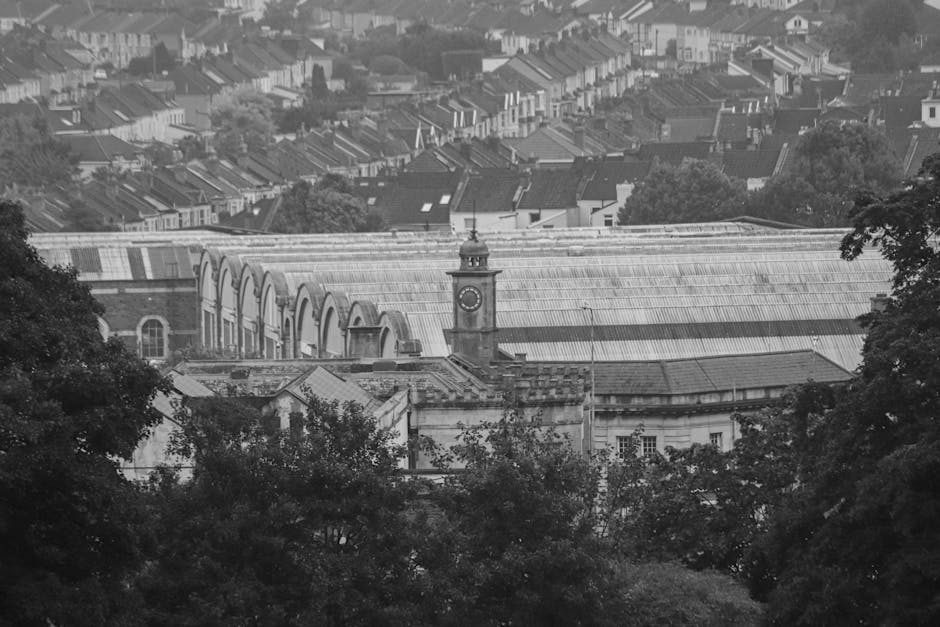
Crystal Palace is a district in south London known for its elevated position across the borough boundary area that includes parts of Bromley, Croydon, Lambeth, Southwark and Lewisham. Its name comes from the Crystal Palace, the vast cast-iron and glass exhibition building originally erected in Hyde Park for the Great Exhibition of 1851 and later relocated to Sydenham Hill, where it stood from 1854 until it was destroyed by fire in 1936. The district today still carries that layered history in its street pattern, mixed housing and well-used public spaces. Crystal Palace Park is one of its defining landmarks, created on the site associated with the former palace and later adapted into a large public park with routes, lakes, sculptures and sports facilities. The park’s dinosaur sculptures, introduced in the 19th century, are among the area’s best-known features, while the nearby terraces and slopes give wide views across London. The area also has a strong local identity shaped by the village-like commercial centre along the ridge, where independent shops, cafés and cultural venues sit alongside everyday services. Transport connections, including rail links from Crystal Palace station and nearby routes through Gipsy Hill and Sydenham, have helped the district remain well connected despite its elevated setting. The architecture varies from Victorian and Edwardian streets to later infill and apartment buildings, giving the neighbourhood a varied urban character. Across the wider area, parks, schools, churches and community spaces contribute to a place that is both residential and active, with a long-established relationship between heritage, open space and local commerce.
Health and safety, access and item handling
Commercial waste removal works best when the site is safe to move through and the route is clear. Narrow staircases, shared corridors, loading restrictions and awkward parking can all affect how the collection is carried out. If these apply, it is worth mentioning them when you ask for a quotation so the arrangement reflects the realities of the premises rather than an idealised version of the job.
Some loads also contain items that need more careful handling because of weight, shape or content. Heavy cabinets, broken furniture, stacked boxes and mixed contents can all create handling issues if they are left until the last minute. A sensible approach is to keep the items in one place, separate anything fragile from the main pile, and flag any materials that should not be moved with the general waste. That makes the collection more controlled and easier to complete.
Insurance and safety is an important consideration whenever waste needs to be removed from a working premises, especially where equipment, fittings or customer areas are involved. It is also sensible to keep a record of any items that are excluded from the clearance so there is no uncertainty on the day. Careful handling is part of the service, not an extra afterthought.
Quotations, scope and service options
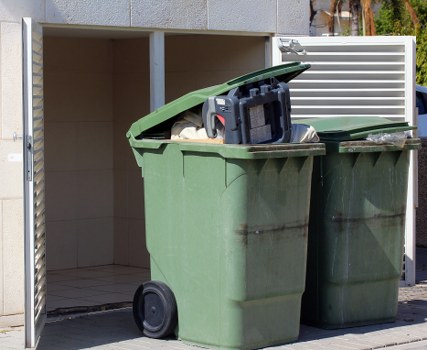
When you are comparing waste removal options, the clearest quotations are usually based on the actual material, access and timing rather than a broad description. That is why it helps to separate your waste into a simple picture of what is present: furniture, mixed rubbish, packaging, appliances or specialist items. Once the scope is clear, it is easier to agree the right level of service and avoid unnecessary back-and-forth.
For some businesses, the next step is a straightforward enquiry; for others, it is useful to speak through the type of collection that best matches the premises. If you want to keep the process simple, have the main item groups ready, note any access limitations, and then ask for a quotation. Contact us when you are ready to discuss the collection in more detail and arrange the next step.
If your business needs waste cleared in Crystal Palace, the service should feel practical, tidy and well matched to the site. Use the enquiry stage to define the load, the access and the preferred timing, then let the collection do the rest. Book online or request a quotation to get started.