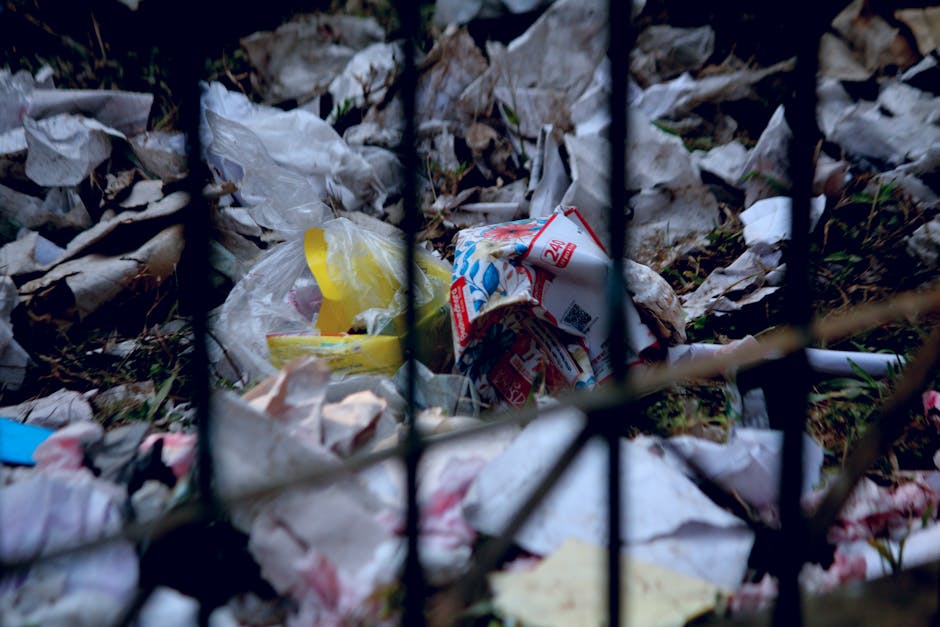
What to know about council rubbish rules in Crystal Palace

If you live or work in Crystal Palace, rubbish collection sounds simple until it isn't. One day it's a normal bin bag, the next it's a broken chair, a fridge, a few bags after a flat clear-out, or builder's debris that suddenly has rules attached to it. That is exactly why understanding council rubbish rules in Crystal Palace matters: it helps you avoid missed collections, awkward kerbside issues, and the sort of problems that usually arrive at the least convenient time. Truth be told, waste is only boring until it blocks the pavement or gets refused at the kerb.
This guide explains the practical side of council waste rules in plain English. You'll learn what typically belongs in regular collections, what usually needs extra handling, how to stay on the right side of local expectations, and when a private clearance can be the cleaner, quicker option. If you're sorting a house, flat, loft, garden, or workplace, you'll find the essentials here without the waffle.
Why council rubbish rules matter
Council rubbish rules are not just admin. They shape what can be collected, when it can be collected, and how it needs to be presented. In an area like Crystal Palace, where you get a mix of flats, terraces, shared entrances, busy pavements, and steep local roads, those details matter more than people expect.
Put simply, a bin system works only when everyone plays by the same set of rules. Leave the wrong item out and it can be left behind. Overfill a sack or dump bags beside the bin and the whole collection can turn into a bit of a mess. And if you're in a block of flats, one person's misunderstanding can quickly become everyone else's nuisance. We've all seen that one overflowing corner by the bins. Not ideal. Not subtle either.
It also matters because waste rules affect safety and cleanliness. Loose glass, leaking food waste, bulky items leaning into a walkway, or fly-tipped rubbish beside communal bins can create hazards, attract pests, and cause avoidable complaints. In practical terms, knowing the rules saves time, money, and a fair bit of stress.
Key takeaway: the better you understand local rubbish rules, the easier it is to dispose of waste legally, neatly, and without repeat trips to the kerb.
How council rubbish rules work in practice
Most council rubbish systems follow a similar pattern, even if the details vary. Standard household waste usually goes into the normal bins or sacks provided, recyclable materials go in the recycling stream, and larger or unusual items need a different route. The important part is that not everything can be mixed together and not everything is accepted at the same time.
In practice, the process usually looks like this:
- You separate what is general waste, recyclable, reusable, or specialist waste.
- You check whether the item is accepted in your normal collection.
- You make sure the waste is bagged, contained, and presented correctly.
- You use a bulky waste service, a skip, or a private clearance option if the item is too large or unsuitable.
This is where people sometimes get caught out. A bag of kitchen rubbish is one thing. A mattress with a wet stain, a broken appliance, plasterboard, paint tins, or renovation rubble is something else entirely. If you're not sure, the safer assumption is that special handling may be needed.
For many households, the easiest way to stay organised is to think in categories:
- Everyday waste: food scraps, packaging, mixed household rubbish.
- Recycling: clean paper, cardboard, tins, bottles, and similar dry recyclables.
- Bulky items: sofas, wardrobes, mattresses, fridges, and other awkward pieces.
- Special waste: hazardous materials, sharp items, and anything that could contaminate a load.
That little bit of sorting at the start saves a lot of uncertainty later. And yes, it takes longer than throwing everything in one bag. But it saves more time than fixing a rejected collection.
Key benefits and practical advantages
Following rubbish rules properly is not just about compliance. It has real, everyday benefits.
1. Fewer rejected collections
When waste is sorted and presented correctly, it is more likely to be taken first time. That means fewer delays, fewer last-minute reshuffles, and less clutter sitting outside.
2. Cleaner homes and communal areas
Correct disposal keeps pavements, entrances, and bin stores tidier. That matters especially in shared buildings, where one abandoned item can quickly become a small pile.
3. Lower risk of fines or complaints
Illegal dumping, putting out prohibited waste, or leaving rubbish in the wrong place can lead to complaints. Nobody wants that letter through the door, let's face it.
4. Better recycling outcomes
Sorting properly means more material can be recycled or reused rather than sent straight to general waste. That is better for the environment and usually better for efficiency too.
5. Less physical effort
Once you know what can and cannot go in a regular collection, you can plan the right method from the start instead of dragging heavy items out twice.
If you're comparing local collection against a private clearance, the decision often comes down to scale and convenience. A couple of bin bags? Normal collection may do. A full room, garage, or office? A dedicated waste removal service is often simpler.
Who this is for and when it makes sense
This topic is relevant to more people than you might think. It is not just for landlords or people moving house. If you live in Crystal Palace and create waste of any kind, these rules probably affect you.
Homeowners and tenants
Useful when you are dealing with everyday rubbish, decluttering, garden tidy-ups, or a sudden bulky item that does not fit in the bin.
Flat dwellers and shared households
Especially important where bin space is limited and communal areas need to stay clear. A bit of cooperation goes a long way here.
Landlords and managing agents
Handy for end-of-tenancy clear-outs, abandoned items, and keeping communal bin stores under control.
Builders and renovators
Essential if you generate rubble, timber offcuts, plasterboard, packaging, or mixed construction waste. This type of material often needs more than standard council collection.
Local businesses
Offices, shops, cafes, and studios in and around Crystal Palace may need a separate approach for confidential waste, appliances, cardboard, or regular commercial rubbish. For that, a dedicated business waste removal plan can be a much cleaner fit.
It makes sense whenever you want to avoid guesswork. If you have more than a bag or two, or if the item is large, awkward, or potentially restricted, that is usually the moment to pause and check.
Step-by-step guidance
Here is a simple, practical way to handle rubbish in Crystal Palace without overcomplicating it.
- Identify the waste type. Is it general household rubbish, recycling, bulky waste, garden cuttings, construction debris, or something hazardous?
- Separate what can be reused or recycled. A bit of sorting upfront can reduce the amount that ends up in general waste.
- Check the collection method. Ask whether the item can go in the normal bin, needs a bulky collection, or should be handled privately.
- Prepare the item properly. Bag loose material, flatten cardboard, drain appliances where appropriate, and keep sharps or broken glass secure.
- Keep access in mind. In Crystal Palace, narrow paths, steps, and shared entrances can make placement just as important as disposal.
- Choose the right service. If the volume is larger than expected, consider a specialist clearance for speed and certainty.
- Keep records where needed. Businesses in particular should keep waste paperwork and use reputable carriers.
A real-world example: someone clearing a flat may start with a few bin bags, then discover an old wardrobe, a broken microwave, and a mattress tucked behind a door. Suddenly the plan changes. That is normal. The trick is noticing the shift early and choosing the right route before the hallway becomes an obstacle course.
Expert tips for better results
These are the small things that make waste disposal smoother.
Start with the biggest items first. If you clear the bulky pieces early, everything else becomes easier to arrange. A room looks emptier faster, which is surprisingly motivating.
Use strong sacks and tidy stacks. Loose rubbish looks larger than it is and tends to split at the worst moment. Stack and bundle where possible.
Keep hazardous items separate. Paints, oils, chemicals, asbestos, gas cylinders, and similar materials should never be mixed into ordinary waste. If something smells strong, leaks, or feels uncertain, stop and reassess.
Think about access and timing. A collection on a rainy morning, with parked cars and limited loading space, is not the same as a quiet off-peak time. Small detail, big difference.
Book the right level of help. For a full house sort-out, a service such as house clearance or home clearance can be more efficient than trying to piece together multiple trips.
Ask about recycling before defaulting to waste. Furniture, metal items, cardboard, and some appliances can often be diverted from general rubbish streams. The more you separate, the better.
And one more thing: do not leave it until the night before collection. That plan has a habit of going sideways.
Common mistakes to avoid
Most rubbish problems come from a handful of simple mistakes, not from anything dramatic.
- Mixing prohibited items with normal rubbish. One wrong item can spoil a whole load.
- Overfilling bags or bins. If lids will not close, there is a good chance the collection may be refused.
- Leaving waste in the wrong place. Shared entrances, pavements, and bin stores need careful handling.
- Ignoring appliance requirements. Fridges, freezers, and similar units often need a specific disposal route. A dedicated fridge and appliance removal option can prevent avoidable hassle.
- Assuming builders' waste is the same as household waste. It usually is not.
- Forgetting about sharp or contaminated items. Broken glass, needles, and chemicals require extra caution.
- Not checking the building rules. Flats and managed properties often have their own arrangements, and they can be stricter than you expect.
One easy mistake is underestimating volume. A loft clear-out always looks manageable right up until you start bringing things down the stairs. Then it turns into a small mountain. Funny, in hindsight. Not so funny while you are carrying it.
Tools, resources and recommendations
You do not need a complicated toolkit, just a sensible one.
- Heavy-duty bin bags: useful for general rubbish and soft waste.
- Markers and labels: helpful if you are sorting items for recycling, reuse, or disposal.
- Gloves and sturdy shoes: a basic safety measure, especially with glass, nails, or garden debris.
- Box cutters or tape: handy for flattening cardboard and breaking down packaging.
- Trolleys or sack trucks: useful for heavier items and awkward runs to a collection point.
- Waste carrier information: if you use a private firm, make sure the provider is legitimate and transparent about where waste goes.
For larger clearances, it is worth using services that explain disposal clearly. If you are comparing quotes, a page like pricing and quotes can help you understand what is included before booking. If your goal is to reduce landfill where possible, the company's recycling and sustainability approach is also worth reviewing.
If you are not sure whether your waste can go in a skip, the guidance on what can go in a skip is a useful reference point before you commit. Not every material is accepted, and that catches people out more often than you'd think.
Law, compliance, standards and best practice
Waste disposal in the UK is not just about convenience. There are legal and practical standards to keep in mind, especially for businesses, landlords, and anyone disposing of regulated materials. The exact requirements can vary depending on the type of waste and who is producing it, so careful checking matters.
As a general rule, householders should avoid putting out anything that is not accepted in the normal collection system. Businesses should be even more careful because they may have additional duties around segregation, storage, transfer, and record-keeping. If a company produces waste, it should use a proper and traceable disposal route, not a guess-and-hope approach.
Best practice usually includes:
- keeping waste separated by type
- storing it safely before collection
- preventing spillages, leakage, and public obstruction
- using reputable disposal services
- treating hazardous items with extra caution
There is also a straightforward safety angle. Heavy furniture, white goods, and builders' debris can cause injuries if handled badly. A service with clear health and safety policy and insurance and safety information gives you a better idea of how that risk is managed.
For sensitive paper waste, confidential material should be handled separately rather than just torn up and dumped. In those cases, confidential shredding is the cleaner route.
Options, methods and comparison table
Different waste situations call for different solutions. Here is a simple comparison to help you decide.
| Option | Best for | Advantages | Watch-outs |
|---|---|---|---|
| Normal council collection | Daily household waste and basic recycling | Simple, familiar, usually low-effort | Limited item types, volume restrictions, missed collections if rules are not followed |
| Bulky waste collection | Large household items like sofas, wardrobes, mattresses | Good for one-off items, less lifting for residents | May need booking, item categories can be restricted |
| Skip hire | DIY projects, building waste, larger clearances | Convenient for ongoing jobs, can hold a lot | Requires space, permit considerations, not everything is allowed |
| Private waste removal | House clear-outs, office clearances, awkward mixed waste | Fast, flexible, less manual handling for you | Need to choose a reputable provider and compare quotes |
For construction work, a dedicated service is often the best fit. If you are dealing with rubble, timber, plasterboard, and renovation offcuts, builders waste clearance is typically more practical than trying to squeeze everything into standard collections.
For furniture-heavy jobs, the choice is often between disposal, reuse, and full clearance. Depending on the situation, furniture disposal or furniture clearance can save a lot of back-and-forth. Similar logic applies to mattress and sofa disposal, which is one of those jobs that looks easy until you try moving it down a narrow stairwell.
Case study or real-world example
A typical Crystal Palace scenario goes like this. A resident starts with a simple declutter before a tenancy ends. The first load is fine: some cardboard, a few old clothes, a lamp, and broken household bits. Then the bigger items appear. A tired sofa. A damaged shelf unit. A fridge that no longer works. A couple of bags from the shed. Suddenly the waste is no longer "normal rubbish" in any useful sense.
Rather than trying to force everything into one collection, the person separates the waste into categories. Food waste and packaging go one way. The fridge is flagged for specialist handling. The sofa is booked for dedicated removal. The mixed household items are handled separately so the whole job stays orderly.
The result? Less stress, less damage to the hallway, and no guesswork on collection day. More importantly, the place is left clean enough for handover without that last-minute scramble people dread at about 6pm on a Sunday.
In another common example, a small office in the area clears out old paperwork, a broken printer, and a set of chairs. The paper is treated as confidential, the printer is checked for appliance removal, and the furniture is scheduled separately. It is not glamorous, but it works.
Practical checklist
Use this before you put anything out or book a collection.
- Have I identified the waste type correctly?
- Is any item hazardous, sharp, wet, or contaminated?
- Can the item go in normal council rubbish, or does it need a specialist route?
- Have I separated recycling, reusable items, and general waste?
- Is the waste bagged, wrapped, or bundled safely?
- Will the collection point stay clear for neighbours, pedestrians, and building access?
- Do I need help with bulky lifting or stair access?
- Would a dedicated clearance service be faster and safer?
- Have I checked any shared building rules or landlord requirements?
- Do I know what happens to the waste after collection?
If you can tick most of those boxes, you are in good shape. If not, pause and tidy the plan before the rubbish turns into a bigger job than it needs to be.
Conclusion
Knowing council rubbish rules in Crystal Palace is mostly about being practical. Sort early, separate waste properly, avoid prohibited items, and choose the right disposal route for the job. That simple approach cuts down on missed collections, shared-building friction, and avoidable safety issues. It also makes you more confident when the pile of stuff starts looking larger than you expected - which, honestly, happens to everyone now and then.
Whether you are clearing a flat, managing household rubbish, dealing with a garden tidy-up, or sorting a business space, the smartest move is usually the same: match the waste to the right method instead of forcing it into the wrong one. A little judgement goes a long way.
If you need a cleaner, easier route for bulky or mixed waste, it is worth comparing options before you start lifting everything yourself. A good provider should make the process clear, safe, and straightforward.
Get a free quote today and see how much you can save.
Frequently Asked Questions
What are council rubbish rules in Crystal Palace?
They are the local expectations for how household waste, recycling, and larger items should be sorted, stored, and presented for collection. In practice, they determine what can go in normal bins, what needs recycling, and what requires a separate disposal route.
Can I put bulky items out with normal rubbish?
Usually no. Items like sofas, mattresses, wardrobes, and appliances often need a bulky waste service, a private clearance, or another specialist route. Putting them out with general rubbish can lead to refusal.
What happens if my bin is overfilled?
An overfilled bin may be left behind, especially if lids will not close properly or the waste is loose on top. It is better to reduce volume, use the correct container, or book a different collection method.
Do I need to separate recycling from general waste?
Yes, where a recycling service is provided. Keeping dry recyclables separate usually improves the chance of them being processed correctly and reduces contamination in the waste stream.
Can I leave rubbish beside the bin if it does not fit?
In most cases, that is a bad idea. Loose waste beside the bin can create mess, obstruct access, and attract complaints. If you have extra items, a different collection method is usually safer.
Are fridges and freezers handled differently?
Yes. Fridges and similar appliances often need specialist handling because of their materials and components. A dedicated appliance removal service is usually the sensible option.
What should I do with builders' waste?
Builders' waste usually needs separate handling because it may include rubble, plasterboard, timber, fixings, and other bulky materials. A clearance service designed for construction debris is often the easiest route.
Is it better to use a skip or a waste removal service?
It depends on space, volume, and the type of waste. Skips suit ongoing jobs and larger volumes, while a removal service can be easier for quick clear-outs, limited access, or mixed household items.
How do I know if waste is hazardous?
If it could leak, burn, contaminate, or cause injury, treat it with caution. Paints, chemicals, oils, sharps, and some renovation materials often fall into this category. When in doubt, separate it and seek specialist guidance.
Can businesses use the same rubbish rules as households?
Not always. Businesses often have additional responsibilities around segregation, storage, records, and duty of care. A business waste arrangement is usually more appropriate than relying on household-style disposal.
What is the easiest way to clear a whole room or property?
For a full clearance, a professional removal or clearance service is usually the easiest option. It reduces lifting, speeds up the job, and helps you deal with mixed waste in one go.
How can I make sure waste is disposed of responsibly?
Choose a provider that explains what happens to the waste, separates recyclable material where possible, and follows safe handling practices. Clear communication is a good sign. So is a simple, transparent process.